
Lauren’s Story
Content warning – this post discusses suicide.
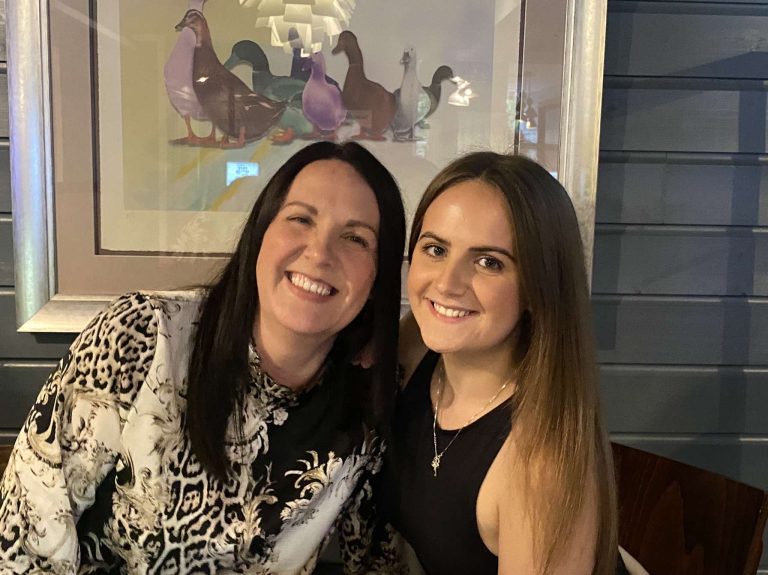
After struggling with symptoms of perimenopause for over a year, Sue Appleyard died by suicide in December 2023. Her daughter Lauren wants more people to know about the impact perimenopause can have on mental health. Here, she shares her memories of her mum – a fun-loving, giving woman dedicated to her family and job in the Ambulance Service.
“I know everyone says this, but my mam really didn’t have a bad bone in her body. She was selfless and wanted the best for everyone. As a mam, she was the perfect balance between parent and best friend. I could go to her for anything without judgment or fear. Her job [in the Ambulance Service] highlighted her personality perfectly – she was always out to help others without a thought about herself. She loved a party, too. She’d be the one up dancing all night and enjoying every second. She really knew how to live her life.
We first started to notice changes in mam around a year before she died. At first, she seemed more sensitive and was showing signs of anxiety. Then paranoia took over and she felt like people were against her. She thought her closest friends had started to hate her, which was definitely not the case. This was the most severe change in her personality.
Another symptom was problems sleeping. This affected her mental state. There were physical changes, too. Her appetite went and she lost a lot of weight. She really was a shell of herself.
Encouraging people to talk openly
If we’d known about the symptoms of perimenopause – particularly the psychological ones – we may have realised sooner that this might be an underlying reason for mam’s illness. We could have talked to her about it and been able to get her the correct help and treatments.
If I could tell people one thing, it would be to talk openly about menopause to their family. Then, when they go through it, hopefully, they’ll have created a support system for themselves.
I hope that sharing my mam’s story helps people – whether they see the symptoms in themselves, a colleague, family member or parent. I don’t want people to think of menopause as a taboo subject or a negative experience, but to think about my mam and how important it is to get help if they need it.
Losing your mam to suicide is so cruel. And if someone gets help because they’ve read my mum’s story, that’s one positive to come out of a tragic event.”
Menopause and mental health – getting help
Everybody experiences menopause differently, and for some people, it can affect their mental wellbeing. Low mood and feelings of anxiety and depression are common symptoms. Some people can have very negative and intrusive thoughts that lead them to contemplate suicide.
If you feel suicidal or on the edge, the following organisations are here to help you get through that frightening moment and make more sense of your current situation.
Support for anyone struggling with suicidal thoughts
Campaign Against Living Miserably (CALM): call 0800 58 58 58
Samaritans: call 116 123 or email jo@samaritans.org
National Suicide Prevention Helpline UK: call 0800 689 5652
SHOUT: text on 85258
Read our trusted information on what can help with menopause and mental health.